CategoriesConstruction

Building to Last: How Total Quality Management is Redefining Nigerian Construction

The Nigerian construction industry stands as a testament to the nation’s ambition and growth. From the post-independence era of foundational infrastructure to the current skyline of burgeoning cities, the sector has evolved into a formidable pillar of the economy.

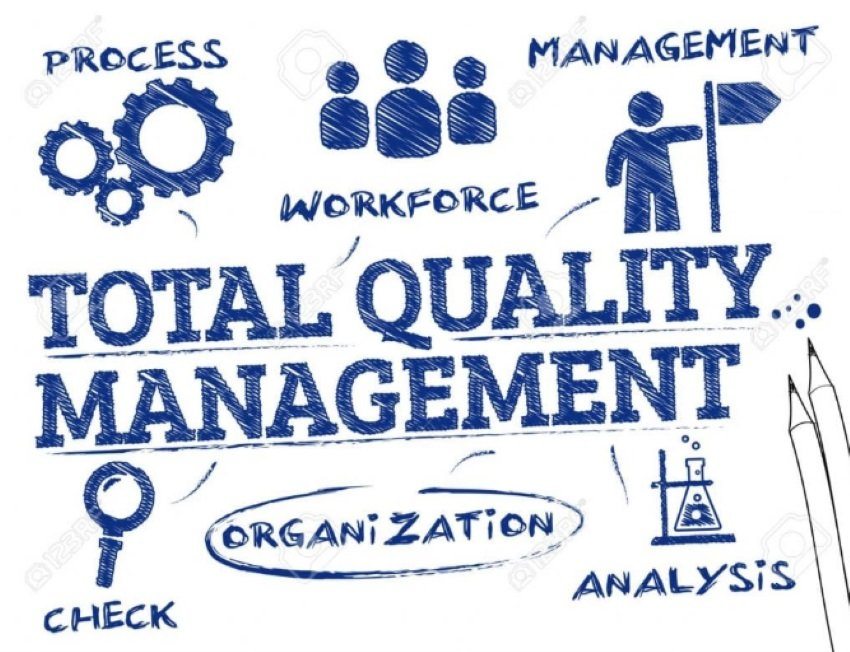
However, this rapid growth has often been shadowed by a persistent challenge: the inconsistency and perceived inadequacy of quality in delivered projects. The conversation has shifted from merely building to building right—a shift where Total Quality Management (TQM) and robust Quality Assurance (QA) systems are no longer optional but essential.
Total Quality Management

For decades, the industry has grappled with a quality paradox. As highlighted in research from the Journal of Construction Innovation and Cost Management, while professionals define quality as conformance to specification and customer satisfaction, it is rarely embraced as a cultural phenomenon. This disconnect manifests in real-world constraints: a tendency to cure symptoms rather than get to the root cause of a problem, lack of standardization, and an unstable workforce.

These are not just academic findings; they are daily realities that lead to cost overruns, delays, and structures that fail to stand the test of time. The consequence is a cycle of remedial work instead of a culture of preventative excellence.

The APD Mandate: Embedding Quality in Our DNA

At APD Project Management Limited, we recognize these industry-wide challenges not as insurmountable obstacles, but as a call to action. Our core value of Excellence is intrinsically linked to a proactive, company-wide commitment to Total Quality Management. We believe quality is not a department; it’s a mindset that must be woven into every phase of every project.

Our commitment was powerfully articulated during our Knowleadge Sharing and APD Academy 2.0 sessions. As Mrs. Toyosi Olaribigbe emphasized in her presentation, “Quality Assurance is the backbone of sustainable construction. It’s the deliberate and systematic process of ensuring that every single material, process, and team member aligns with a pre-defined standard of excellence. It’s about building in quality from the design stage, not inspecting for defects after the fact.”

This philosophy moves us beyond the industry norm of simply meeting contract requirements. It’s about exceeding them consistently.
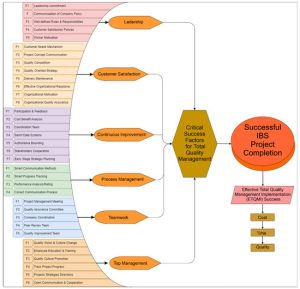
Total Quality Management Process

From Theory to Site: The APD TQM Framework in Action

How does this commitment translate on the ground? Our approach is a living case study in implementing TQM principles, as detailed by Adebowale in his Knowledge Sharing presentation on Total Quality Management. He noted that “TQM success hinges on a cultural shift where every stakeholder, from management to site engineer, takes ownership of quality.” At APD, this involves:

  1. Proactive Planning & Standardization: Before a single foundation is dug, our QA department establishes a rigorous project-specific quality plan. We combat the industry’s “lack of standardization” by developing our own internal benchmarks and checklists, inspired by the 12 factors of quality perception identified in industry research, ensuring nothing is left to chance.
  2. Root Cause Analysis, Not Symptom Treatment: We actively reject the “band-aid” approach. When an issue arises, our methodology demands a root cause analysis. This systemic problem-solving ensures that a recurring snag is eliminated permanently, enhancing long-term project efficiency and integrity.
  3. Continuous Learning & Empowerment: The “transient workforce” and “low education levels” cited as industry constraints are countered by our investment in continuous training through initiatives like the APD Academy. We empower our people with the knowledge to not only execute tasks but to understand the ‘why’ behind quality standards, fostering a culture of continuous improvement.

A practical example of this is our approach to material procurement and testing. Rather than accepting certificates at face value, we have instituted a mandatory, multi-stage testing protocol for critical materials like concrete and steel. This APD-specific standard has directly prevented potential structural issues on recent projects, saving clients significant time and cost, and solidifying our reputation for reliability.

Building a Legacy of Excellence

The journey towards a universal quality culture in Nigerian construction is ongoing. At APD, we are not waiting for the industry to change; we are leading the change. By championing Total Quality Management as a non-negotiable core value, we are delivering more than just buildings, we are delivering confidence, durability, and unparalleled value for our clients.
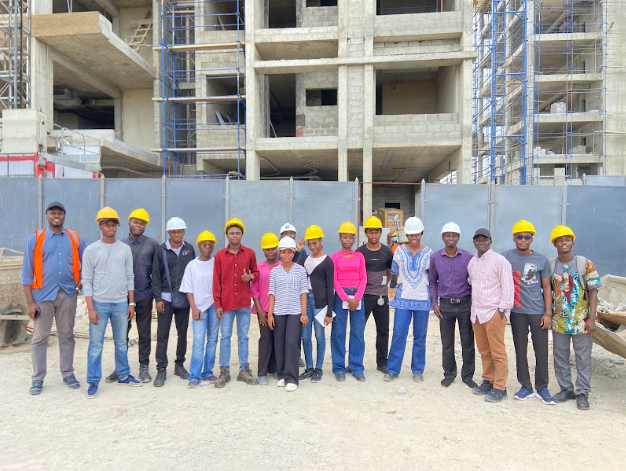
APD Excursion Eko Atlantic
CategoriesAPD ACADEMY

The APD Project: Bridging Theory and Practice Through Real-World Excursions to Eko Atlantic

In an ongoing effort to inspire the next generation of engineers, project managers, and built environment professionals, APD Project Management Limited recently concluded a series of highly immersive and educational excursions to one of Africa’s most ambitious urban developments: Eko Atlantic City. These site visits, which spanned several days in July and August 2025, were designed to give students a firsthand look at large-scale engineering, advanced building technologies, and the real-world application of project management principles.

APD Excursion Eko Atlantic

The journey began with preparatory visits to the University of Lagos (UNILAG), where the APD team met with the Heads of the Building and Civil Engineering Departments—Professor John Ameh and Dr. K. A. Olonade, respectively. These meetings were crucial in aligning academic curricula with industry demands and fostering a partnership aimed at exposing students to contemporary construction practices. It was clear from these discussions that both faculty and students were eager to move beyond the classroom and witness engineering excellence in action.

With enthusiasm high, APD Project Management Limited orchestrated multi-day excursions to accommodate the overwhelming number of students from various levels—100 to 500—as well as Master’s students from the Centre for Housing and Sustainable Development. The destination was the iconic Azuri Towers, a 32-story architectural marvel situated in the heart of Eko Atlantic.

A City Born from the Sea: The Story of Eko Atlantic

Each excursion day began with an inspiring overview of Eko Atlantic’s genesis. Through a professionally produced video presentation and sessions led by representatives from the Azuri Towers marketing and operations teams, students learned how what was once an area threatened by severe coastal erosion has been transformed into a modern, sustainable city built on land reclaimed from the Atlantic Ocean.

APD Excursion Eko Atlantic

To date, more than 6.5 million square meters of land have been recovered, with a projected total of 10 million square kilometers upon completion. A key engineering highlight discussed was the use of macropores—5-tonne stones sourced locally from Ogun State—which play a critical role in stabilizing the reclaimed land and protecting the shoreline. This innovative approach not only prevents erosion but also provides a solid foundation for high-rise constructions, showcasing Nigerian ingenuity and material resourcefulness.

Inside Azuri Towers: A Lesson in Intelligent Building Systems

Guided by the building’s operations staff, students explored the behind-the-scenes engineering that keeps Azuri Towers functioning seamlessly. They were introduced to the lift system powered by a Sub-Main Distribution Board (SMDB) and an Automatic Transfer Switch (ATS), ensuring uninterrupted operation even during power transitions. The group also toured the water pumping chambers, where color-coded valves—each indicating function, speed, and location—demonstrate a high level of operational clarity and emergency readiness, significantly mitigating fire risks.

Another standout feature was the cloud-based monitoring room equipped with CVR technology, which allows for virtually unlimited video storage and real-time surveillance—a testament to how digital innovation is being integrated into modern building management.

Leadership Insights: Blending Legacy with Future Vision

A memorable part of each excursion was the address by Mr. Andy Jibunoh, Managing Director of APD Project Management Limited. Reflecting on his early career with COSTAIN and his role as coordinator for NECOM House (currently Nigeria’s tallest building), Mr. Jihunoh drew parallels between the engineering feats of the past and the transformative projects of today. He emphasized that the goal of these visits was not only to showcase advanced technology but also to instill a sense of responsibility and vision in the students—urging them to become proactive contributors to Nigeria’s infrastructural growth.

APD Excursion Eko Atlantic

Hands-On Learning: Site Tours and Practical Exposure

Following the indoor sessions, students were taken to active construction sites within Eko Atlantic, such as Clarence Gate. Under the guidance of APD project managers including Mr. Victor Bankole, Engr. Segun Megabi, Mr Ocholi Sunday, Mr Gerald Ibeanu, Mr Femi Awofusi and Mr. Femi Akinyemi, they observed ongoing basement construction, formwork installation, MEP coordination, and ceiling finishes. These live demonstrations helped bridge the gap between theoretical knowledge and practical execution, allowing students to understand sequencing, safety protocols, and quality assurance on a real project.

APD Excursion Eko Atlantic

Building Futures, One Site Visit at a Time

The APD Project Management Limited excursions to Eko Atlantic were more than just field trips—they were a strategic investment in the future of Nigeria’s construction industry. By exposing students to landmark projects and involving them in dialogues with industry leaders, APD has helped cultivate a deeper appreciation for engineering, project management, and sustainable development.

These experiences underscore APD’s commitment to education, mentorship, and industry-academia collaboration. As these students return to their lectures with renewed perspective and inspiration, it is clear that they are not just the builders of tomorrow—they are the visionaries who will shape the skyline of Nigeria for decades to come.

Real Estate Investment from a Project Management Perspective
CategoriesReal Estate

Building Wealth in Lagos

Real estate investing has long been a cornerstone of wealth creation, and in a dynamic city like Lagos, the opportunities are immense. In a recent presentation to the Nigerian Society of Engineers, Lagos Branch, Mr Jibunoh highlighted the transformative potential of real estate investing in Lagos, offering insights that are both educational and actionable for industry stakeholders.

Lagos: A Hub of Opportunity

Lagos is not just Nigeria’s economic powerhouse; it is also one of Africa’s fastest-growing cities. Ranked as the 19th best city to visit in the world by Time Out magazine in 2024, Lagos boasts a vibrant economy, a thriving real estate market, and a GDP that contributes over 20% to Nigeria’s total GDP. The city’s real estate sector has even displaced oil and gas as Nigeria’s third-largest sector, with a projected market value of $2.61 trillion by 2025.

Areas like Lekki, Victoria Island, and Ikoyi have emerged as real estate hotspots, with the Lekki corridor being hailed as the fastest-growing real estate hub in West Africa. With developments such as the Lekki Free Trade Zone, a new airport, and a seaport, the region represents a blank canvas of endless potential.

Best Practices in Real Estate Investing

To harness the growth potential of Lagos’ real estate market, investors must adopt best practices that ensure sustainability and value creation. Here are some key principles:

  1. Planning, Quality, Management, and Maintenance:
    Successful real estate projects begin with meticulous planning and a commitment to quality. Effective project management ensures that resources are optimized, timelines are met, and budgets are adhered to. Post-construction, a robust maintenance culture is essential to preserve the value of the asset.
  2. The 3Cs: Competence, Character, and Courage:
    These core values are non-negotiable for professionals in the real estate sector. Competence ensures technical expertise, character builds trust, and courage drives innovation and resilience in the face of challenges.
  3. Collaboration and Stakeholder Management:
    Real estate development is a collaborative effort involving multiple stakeholders, including government agencies, developers, architects, engineers, contractors, and end-users. Respect for each stakeholder’s role and contribution is critical to achieving successful outcomes.

The Role of Project Management in Real Estate

Project management is the backbone of successful real estate development. It transforms raw materials into valuable assets by adding value at every stage of the process. At APD Project Management Limited, we emphasize the importance of the following project management principles:

  • Scope Definition and Feasibility Studies: Clearly defining the project scope and conducting thorough feasibility studies ensure that the project aligns with market demands and financial goals.
  • Stakeholder Management: Effective communication and collaboration with all stakeholders are essential for smooth project execution.
  • Procurement and Operations: Strategic procurement and efficient operations management minimize costs and maximize efficiency.
  • Handover and Maintenance: A seamless handover process and a focus on long-term maintenance ensure that the asset continues to deliver value.

Our APD Academy reinforces these principles through training programs that emphasize management skills, emotional intelligence, and practical experience.

The Benefits of Real Estate Investing

When best practices are followed, real estate investing yields significant benefits:

  1. Wealth Creation: Real estate is a tangible asset that appreciates over time, providing long-term financial security.
  2. Economic Growth: The real estate sector drives economic growth by creating jobs, stimulating demand for construction materials, and contributing to GDP.
  3. Community Development: Well-planned real estate projects enhance the quality of life for residents and contribute to the development of sustainable communities.
  4. Passive Income: Rental income and Real Estate Investment Trusts (REITs) offer opportunities for passive income generation.

The Future of Real Estate in Lagos

The future of Lagos’ real estate market is bright, but it requires a commitment to excellence and sustainability. By prioritizing education, urban planning, and public-private partnerships, we can address challenges such as housing deficits and infrastructure gaps.

At APD Project Management Limited, we are committed to driving this transformation. Our expertise in project management ensures that every project we undertake delivers maximum value to investors, stakeholders, and the community.

Conclusion

Real estate investing in Lagos offers unparalleled opportunities for wealth creation and economic growth. By adopting best practices and leveraging project management principles, we can unlock the full potential of this dynamic market.

The History of Construction in Nigeria
CategoriesConstruction

The Evolution of Architecture in Nigeria

In a recent presentation at the Ato Annual Lecture Series #12, our Managing Director shared invaluable insights into the evolution of modern architecture, engineering, and construction in Nigeria. His presentation highlighted the pivotal role of COSTAIN, a major player in the industry, and its connection to the National Development Plan era (1970-1985). This period, marked by a strong Naira exchange rate, high-quality resources, low competition, and affordable material costs, laid the foundation for Nigeria’s built environment.

Construction in Nigeria

COSTAIN and the National Development Plan Era (1970-1985)

The National Development Plan era was a transformative period for Nigeria’s construction industry. With a stable Naira exchange rate and a focus on infrastructure development, the country witnessed the construction of iconic projects such as the Niger Bridge, Port Harcourt Oil Refinery, and NECOM House—the tallest building in West Africa at the time. COSTAIN, a leading construction firm, played a central role in this era, delivering high-quality projects that symbolized Nigeria’s economic growth and modernization.

The Environment, Development, and Impact (EDI) framework helps us understand the factors that drove this success. During this period, Nigeria’s social, financial, and governance structures were aligned with national development goals. The emphasis on unity, merit, and order, coupled with a democratic governance approach, enabled efficient project implementation. The oil boom further fueled investment in infrastructure, making this era a golden age for the construction industry.

The Foundational Years: 1970-1980

The 1970s were foundational for Nigeria’s construction industry. The Nigerian Enterprises Promotion Decree (NEPD) of 1977 encouraged indigenous participation, allowing firms like COSTAIN to thrive. This period also saw the rise of local partnerships and the transfer of technical expertise from international firms to Nigerian professionals. Mr Andy Jibunoh’s father, for instance, became a majority shareholder in COSTAIN West Africa, providing opportunities for Nigerians to gain exposure to large-scale projects.

The industry’s success during this time was driven by professionalism, quality, and patriotism. These values remain essential for firms like APD Project Management Limited as we strive to deliver excellence in every project.

The Military Years: 1980-2000

The 1980s and 1990s, often referred to as Nigeria’s “dark ages,” saw a decline in GDP growth and infrastructure development. Many projects initiated during the National Development Plan era were abandoned, and the construction industry faced significant challenges. COSTAIN, once a symbol of Nigeria’s progress, struggled as the economy deteriorated.

Despite these challenges, this period taught valuable lessons in endurance, resilience, and entrepreneurial spirit. Andy Jibunoh’s experience managing the NECOM House refurbishment after a devastating fire in 1983 exemplifies the industry’s ability to adapt and persevere. These lessons continue to inspire firms like APD Project Management Limited to overcome obstacles and deliver results.

The Civilian Years: 2000-2024

The return to civilian rule in 1999 marked a new era of growth for Nigeria’s construction industry. GDP began to recover, and foreign investments returned, particularly in telecommunications and real estate. The private sector played a crucial role in driving development, with firms like APD Project Management Limited leading the way.

During this period, APD contributed to high-profile projects such as the Shell Estates and the Federal Secretariat in Port Harcourt. By embracing corporate governance, partnerships, and collaborations, the firm set a standard for excellence in the industry.

The Present and Future: Building on Best Practices

Today, Nigeria faces new challenges, including high inflation, security threats, and a need for urban renewal. However, the lessons from the past provide a roadmap for the future. By prioritizing development planning, strengthening institutions, and fostering public-private partnerships (PPPs), we can achieve sustainable growth.

Key solutions include:

  • Education and National Orientation: Aligning educational standards with development goals to build a skilled workforce.
  • Urban Planning and Zoning: Creating sustainable cities through thoughtful design and regulation.
  • Collaboration and Advocacy: Leveraging partnerships to drive innovation and social responsibility.

Conclusion: A Call to Action

The history of Nigeria’s architecture, engineering, and construction industry is a testament to the power of resilience and innovation. As APD Project Management Limited continues to lead in the industry, we must draw inspiration from the best practices of the past—professionalism, quality, and patriotism—while embracing the opportunities of the future.

By prioritizing responsible development, fostering collaborations, and investing in technical manpower, we can contribute to a brighter future for Nigeria’s built environment.